The Bride
Worked as the DASL supporting the ASL-language version of the film, working directly with the performer and helping shape translation, performance, character intention, rhythm, and visual delivery for the screen.
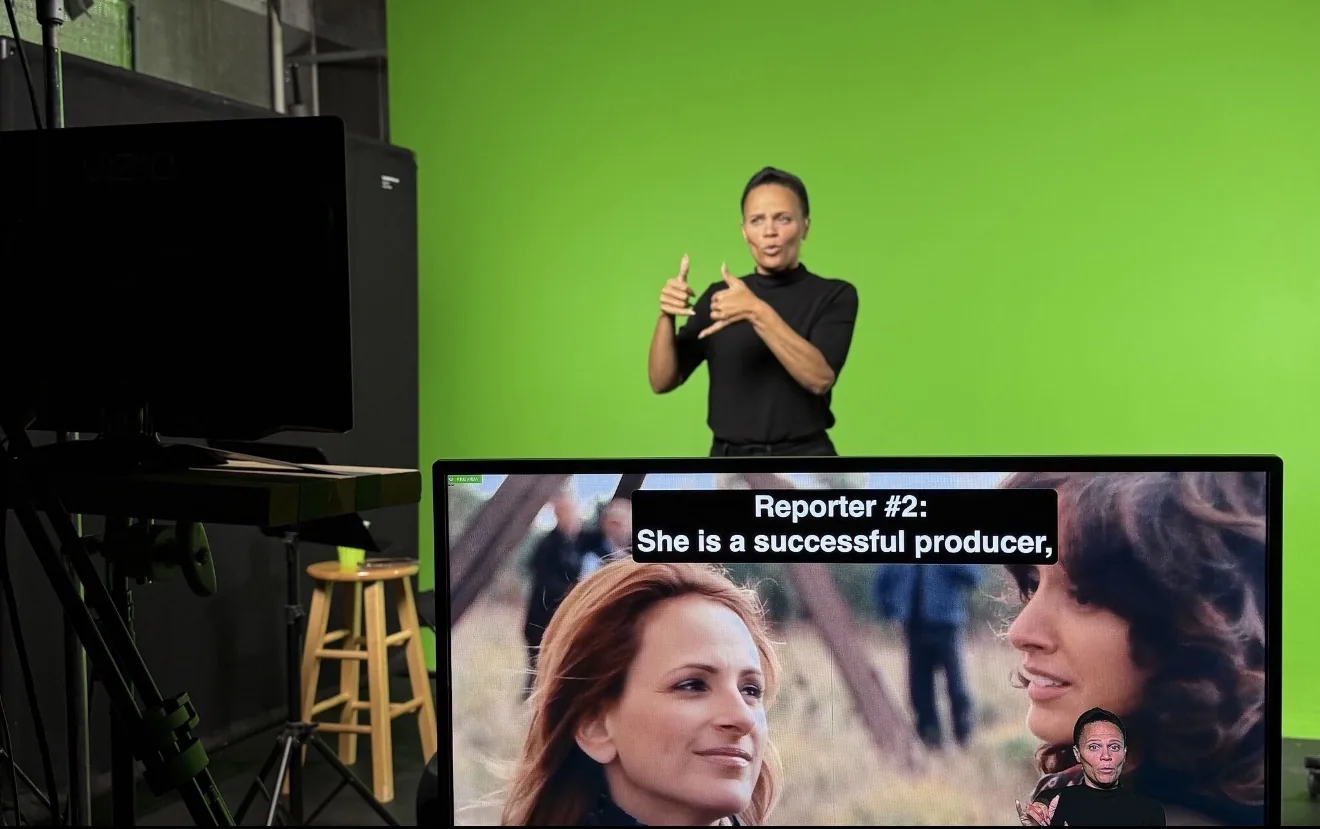
I work with filmmakers, performers, creative teams, and storytellers to make sure signed language isn’t simply accurate, but emotionally, visually, and culturally alive.
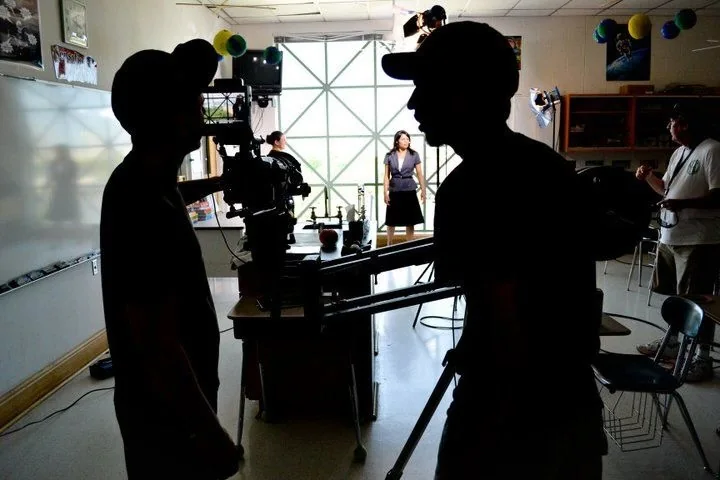
ASL isn’t something I approach as a final layer to add after the creative decisions have already been made. I look at the whole picture: the story, the character, the performer, the camera, the rhythm, and the audience.
Sometimes that means shaping a translation. Sometimes it means working beside a performer. Sometimes it means noticing the one thing that isn’t landing and figuring out why.
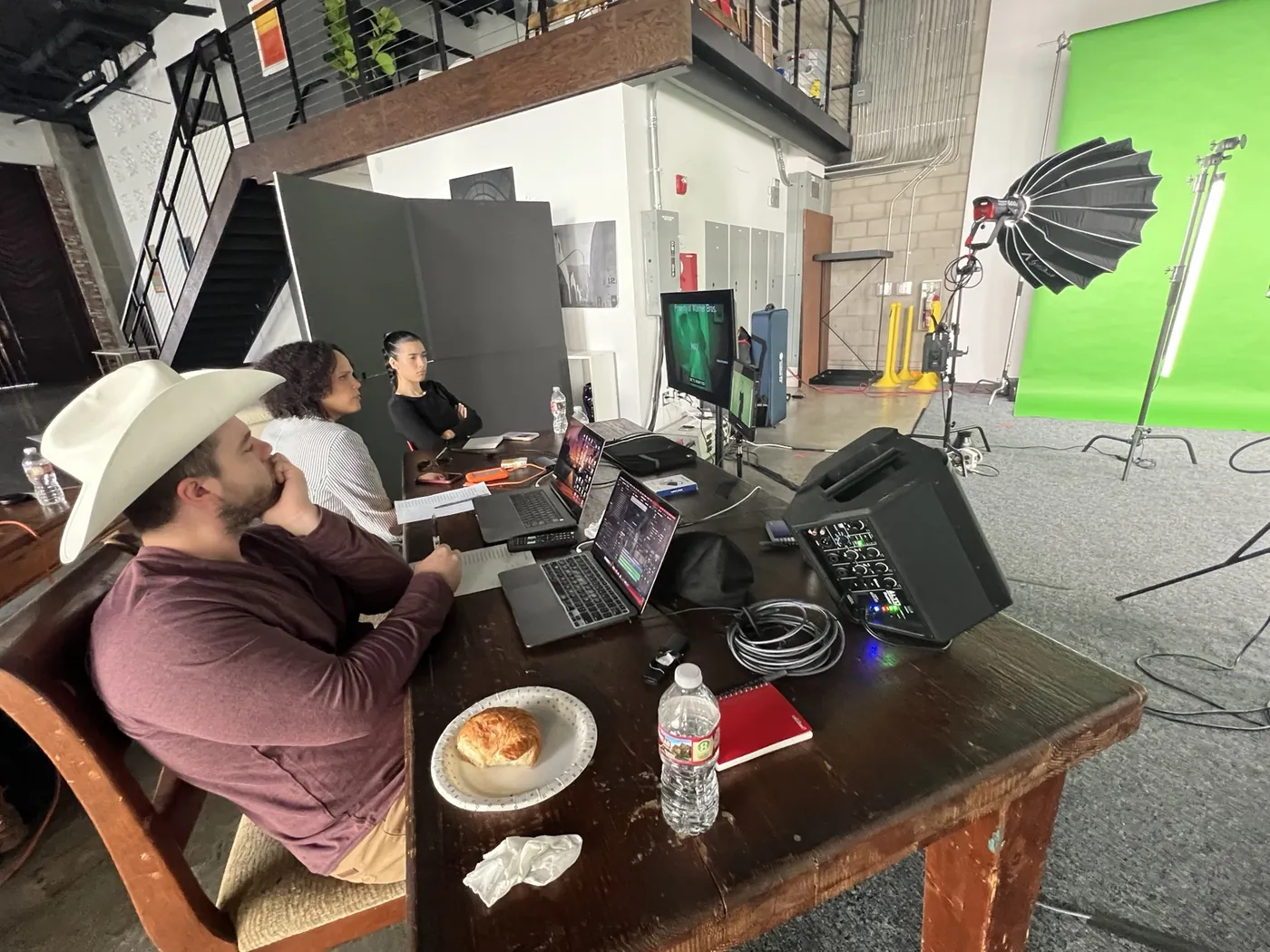
For film, television, theater, dubbing, and performance.
Support signed performances from translation and character development through rehearsal, filming, and post-production.
A second set of eyes when the details matter.
Review scripts, performances, translations, edits, and creative decisions for linguistic accuracy, cultural authenticity, visual clarity, and character integrity.
For projects still figuring out what ASL needs to become.
Work with creative and production teams early in development to determine how ASL, Deaf characters, signed performance, and Deaf cultural perspective can live naturally within the project.
Worked as the DASL supporting the ASL-language version of the film, working directly with the performer and helping shape translation, performance, character intention, rhythm, and visual delivery for the screen.
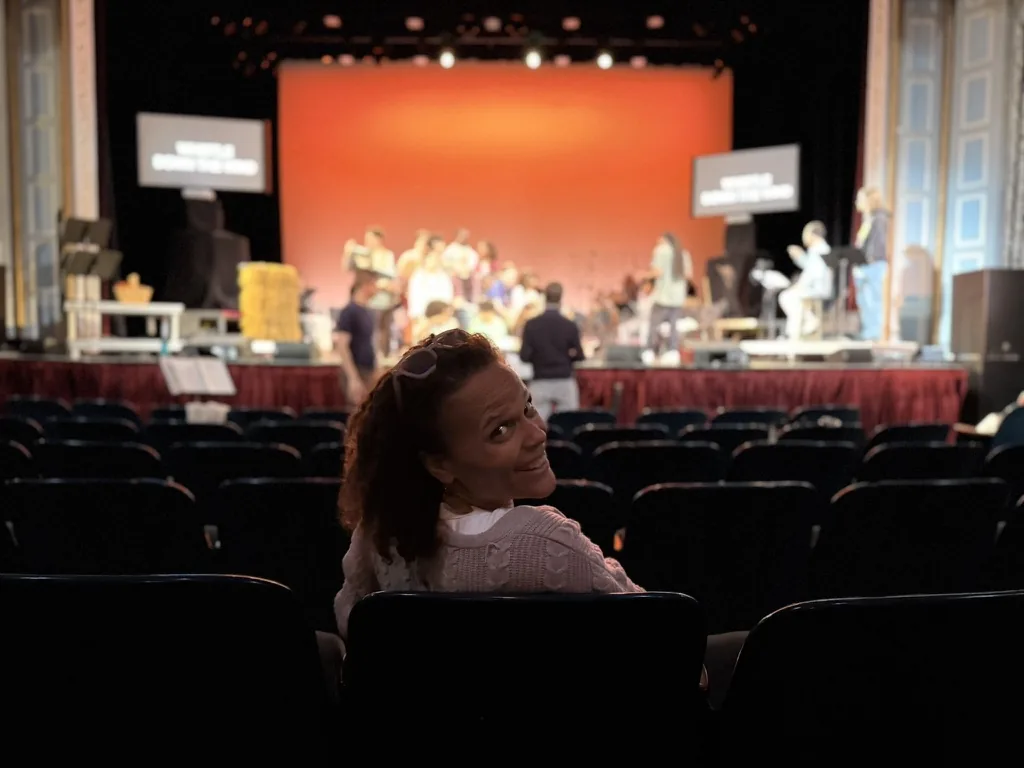
Served as DASL for Deaf Broadway’s production of Waitress, supporting the translation and performance process so the signed work could live fully within the musical rather than function as a separate layer.
Performed the ASL dubbing for the documentary, carrying the film’s spoken language into ASL.
Additional work under NDA. References available upon request.
I don’t approach ASL as something to check off at the end of production. I want to know what the scene is trying to do, what the character knows, what the camera sees, and what the language needs in order to belong there.
Much of this work happens in the small decisions: watching, questioning, adjusting, trying again, and finding the moment when language and story finally click into place.
What is the story asking for?
How does it live naturally in ASL?
How does the performer make it their own?
What changes once camera, edit, rhythm, and context enter the room?
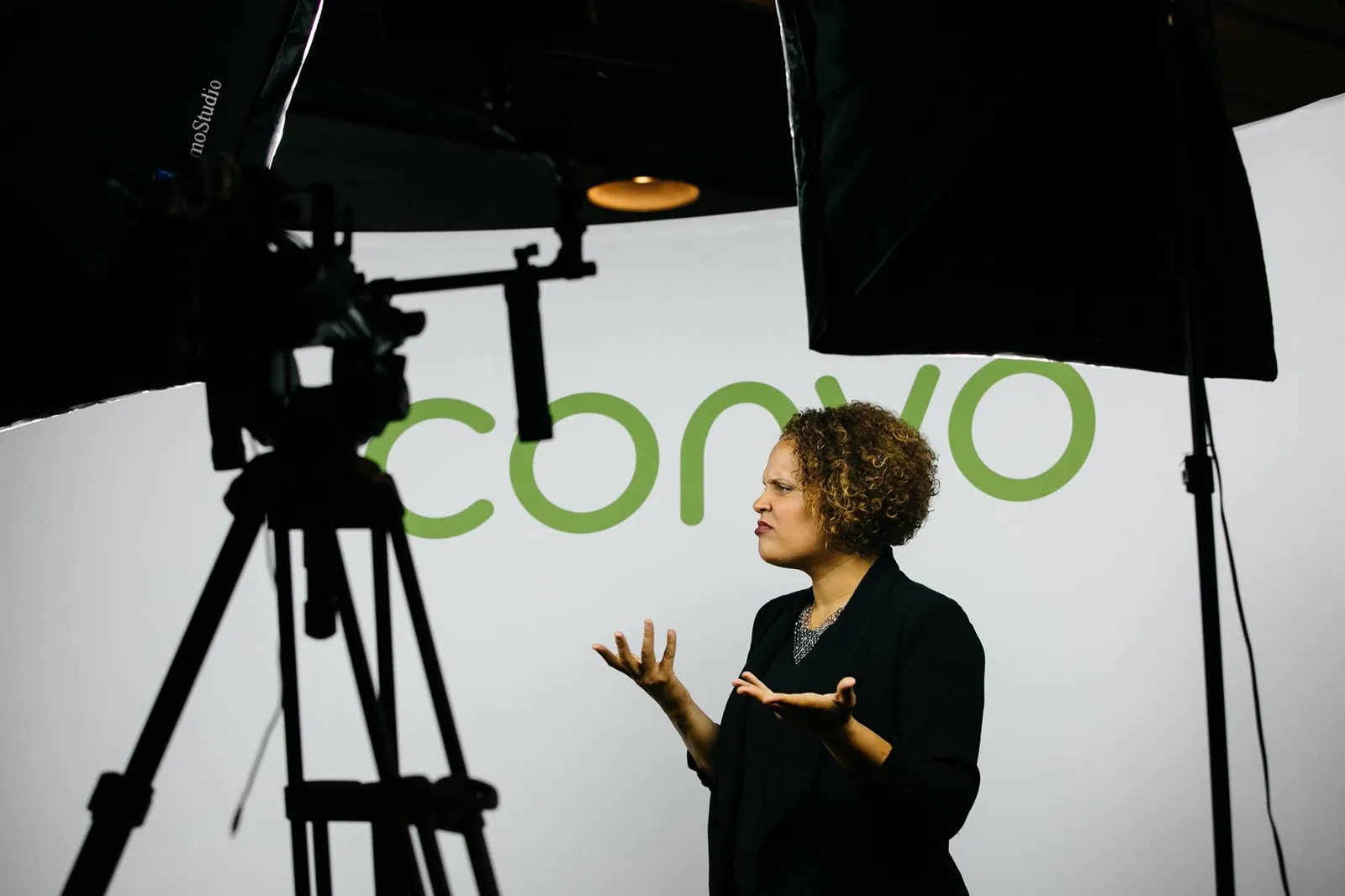
Bring me in early. Or bring me in when something isn’t quite landing yet.
Start a conversation →Not a full production yet? An hour of strategy, one on one — bring a specific problem, leave with a next step.